Morning Paper: A Textured Typeface for Creative Expression
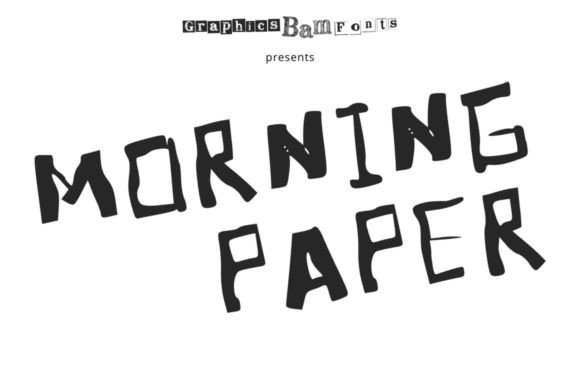
Morning Paper is more than just a font—it's a tactile experience that brings a sense of warmth and authenticity to any design. Inspired by the look of torn paper, this typeface adds a unique visual texture that stands out in both digital and physical formats. Whether you're working on a presentation, crafting a handmade card, or designing a marketing campaign, Morning Paper offers a fresh alternative to standard fonts.
What Makes Morning Paper Unique?
Unlike traditional typefaces, Morning Paper mimics the irregular edges and subtle imperfections of real paper. This gives it a handcrafted feel that can enhance the emotional impact of your work. The font’s design is intentionally imperfect, making it ideal for projects that benefit from a personal, organic touch.
The texture of Morning Paper isn’t just for aesthetics. It can help draw attention, add depth, and create a more engaging visual hierarchy. Its irregularity also makes it less likely to blend into the background, ensuring your message remains clear and impactful.
Key Characteristics of Morning Paper
- Textured Appearance: The font features uneven edges and slight variations in thickness, resembling actual torn paper.
- High Readability: Despite its rough edges, Morning Paper maintains good legibility, especially at larger sizes.
- Versatile Use: Suitable for both digital and print media, making it a flexible choice across different platforms.
- Emotional Resonance: The organic look can evoke feelings of nostalgia, creativity, or craftsmanship.
Practical Applications for Morning Paper
Morning Paper is not limited to a single use case. Its versatility allows it to shine in various creative and professional settings. Here are some ways you can incorporate it into your work:
Personal Projects
If you enjoy DIY crafts or handmade cards, Morning Paper can elevate your designs. Its textured look pairs well with other handmade elements like pressed flowers, watercolor, or ink stains. For example, using it on a birthday card can give it a more personal, heartfelt feel compared to a clean, modern font.
Professional and Business Use
Entrepreneurs and small business owners can use Morning Paper to add character to branding materials. It works well for logos, business cards, and social media graphics where a more approachable, humanized look is desired. However, it's important to balance its uniqueness with readability—especially in smaller sizes or when used extensively.
Educational and Academic Settings
Teachers and educators might find Morning Paper useful for creating visually engaging lesson plans, posters, or presentations. Its organic style can make information feel more accessible and less formal, which can be beneficial for younger audiences or interactive learning environments.
Digital Design and Web Development
In web design, Morning Paper can be used for headings, banners, or call-to-action buttons to add a distinctive visual element. When used sparingly, it can break up monotony and make a site stand out. However, designers should test it across different screen sizes to ensure it remains readable and doesn't interfere with user experience.
Benefits of Using Morning Paper
Morning Paper offers several advantages that go beyond its aesthetic appeal. Here are a few key benefits:
Enhanced Visual Interest
The texture of Morning Paper adds a layer of visual interest that can make your designs more memorable. In a world dominated by sleek, minimalist fonts, it provides a refreshing contrast that can capture attention and spark curiosity.
Improved Brand Identity
For brands looking to convey a more authentic or artisanal image, Morning Paper can serve as a powerful tool. It helps communicate values like creativity, individuality, and craftsmanship, which can resonate with specific target audiences.
Increased Engagement
Whether it's a social media post, a newsletter, or a printed flyer, the unique look of Morning Paper can encourage people to engage more with your content. Its distinctiveness can make your message feel more personal and meaningful.
Considerations When Using Morning Paper
While Morning Paper has many strengths, it’s important to use it thoughtfully. Here are a few practical tips to keep in mind:
Use It Sparingly
Because of its texture, Morning Paper may not be suitable for long blocks of text. It works best as a headline, title, or accent font rather than a primary body text. Overusing it can reduce readability and dilute its impact.
Test Across Platforms
Ensure that the font looks good on different devices and in various file formats. Some platforms may render the texture differently, so testing is essential to maintain consistency.
Pair It with Simpler Fonts
To avoid visual clutter, pair Morning Paper with cleaner, more straightforward fonts for body text or secondary elements. This contrast can help guide the viewer’s eye and improve overall readability.
Final Thoughts on Morning Paper
Morning Paper is a standout choice for anyone looking to add a touch of personality and texture to their work. Its unique design makes it ideal for creative projects, branding efforts, and digital presentations where a more humanized look is desired. By understanding its strengths and limitations, you can use it effectively to enhance your designs and connect with your audience on a deeper level.